Hana Sestakova
Vin Univeristy Research Internship
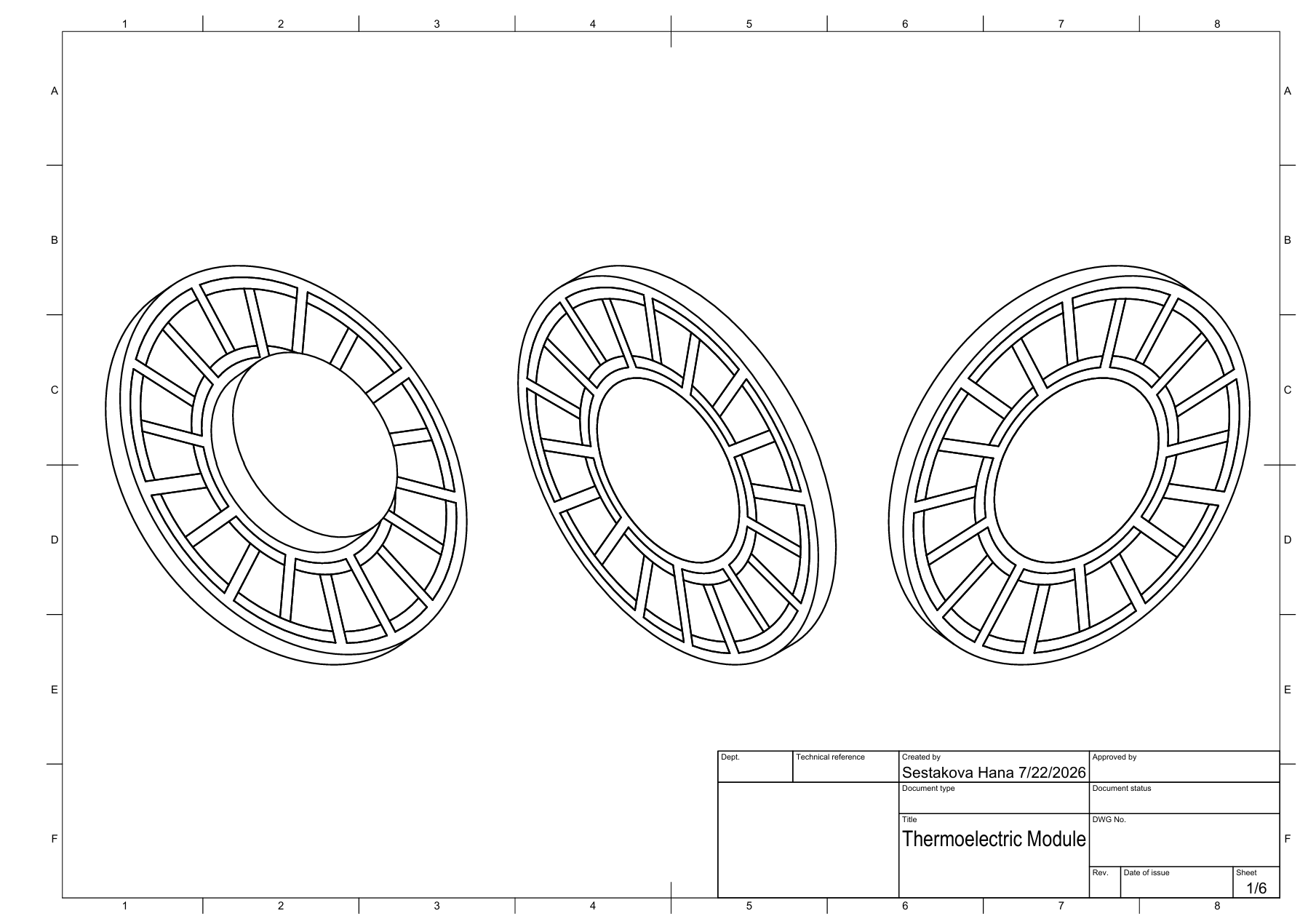
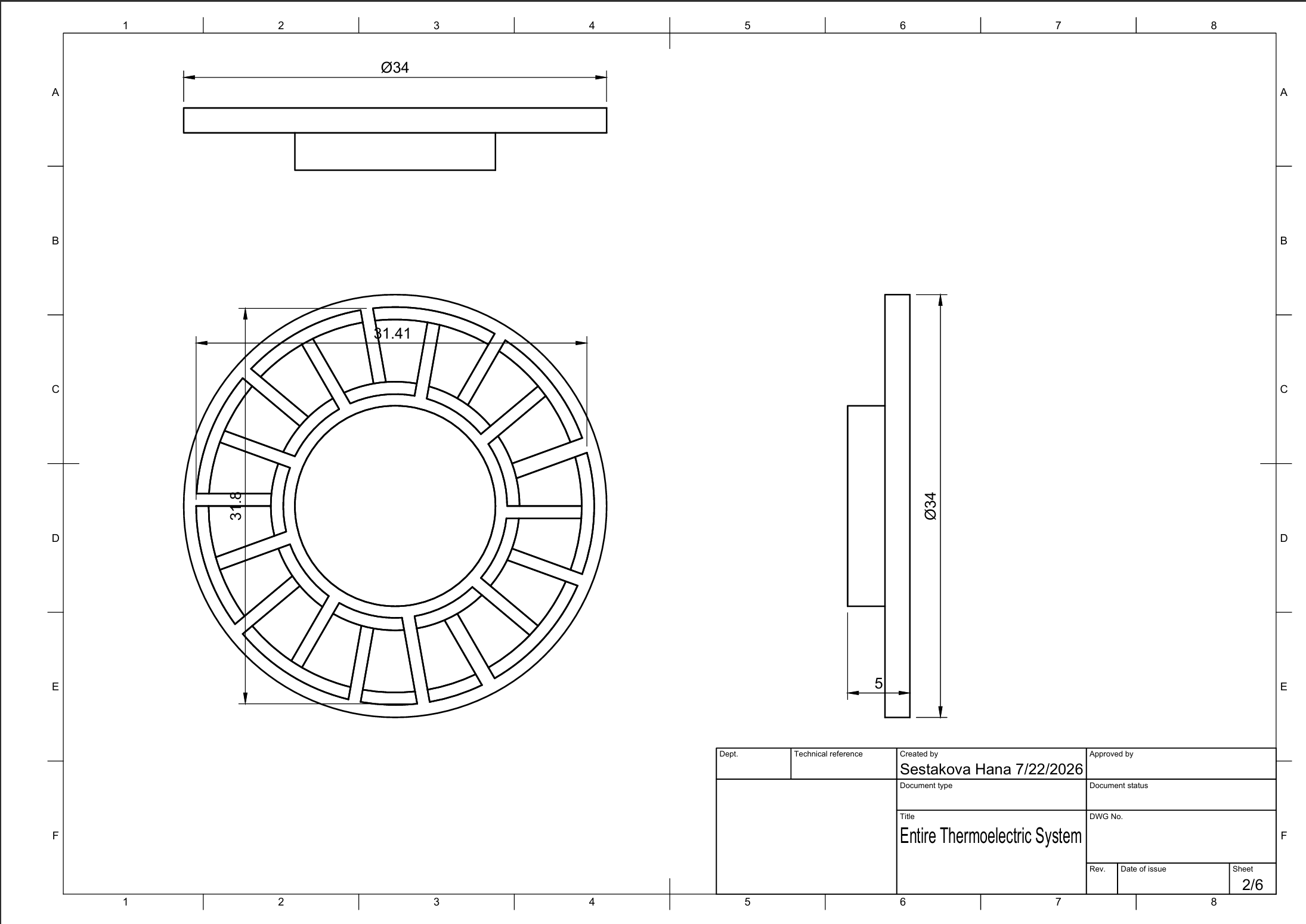
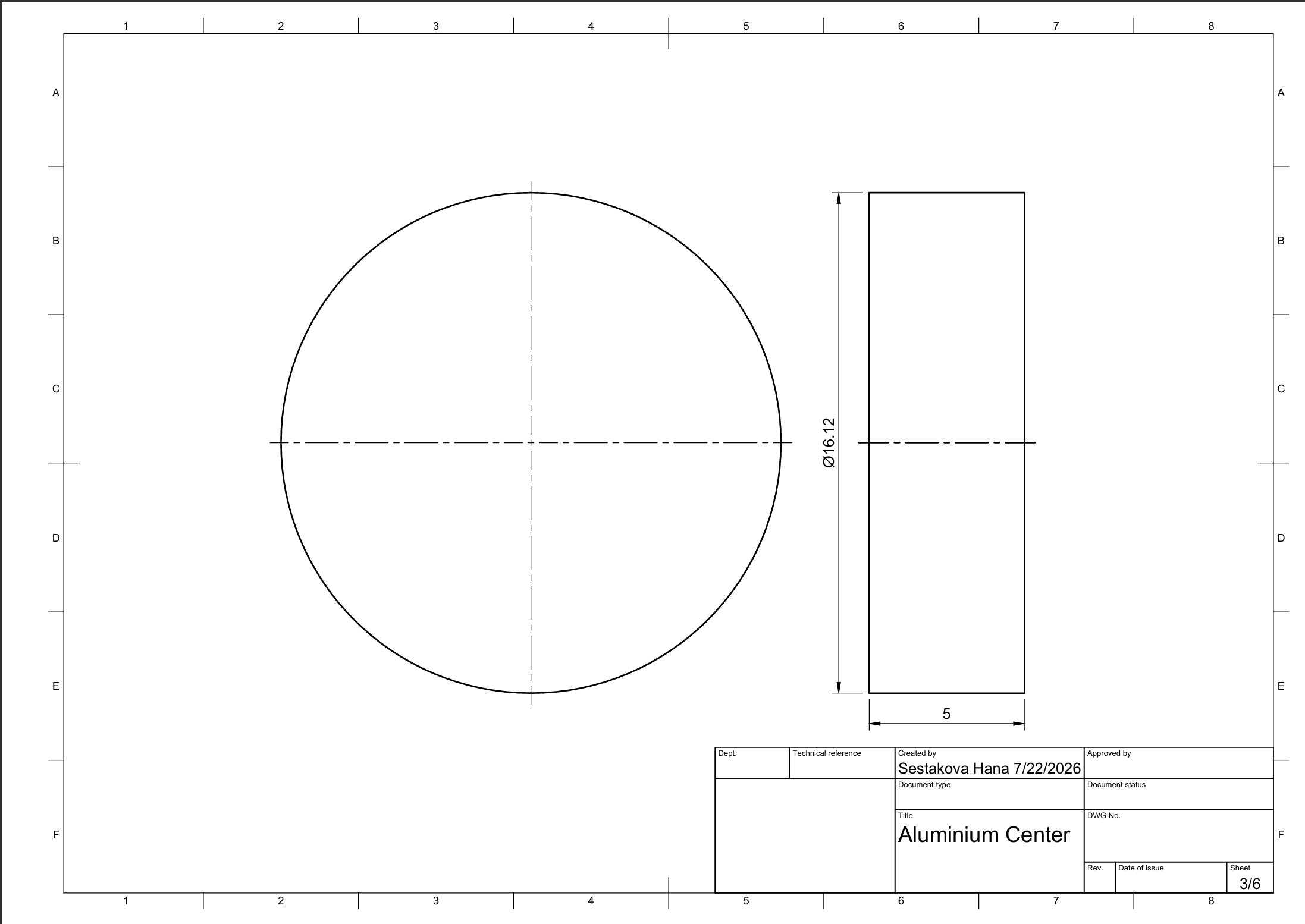
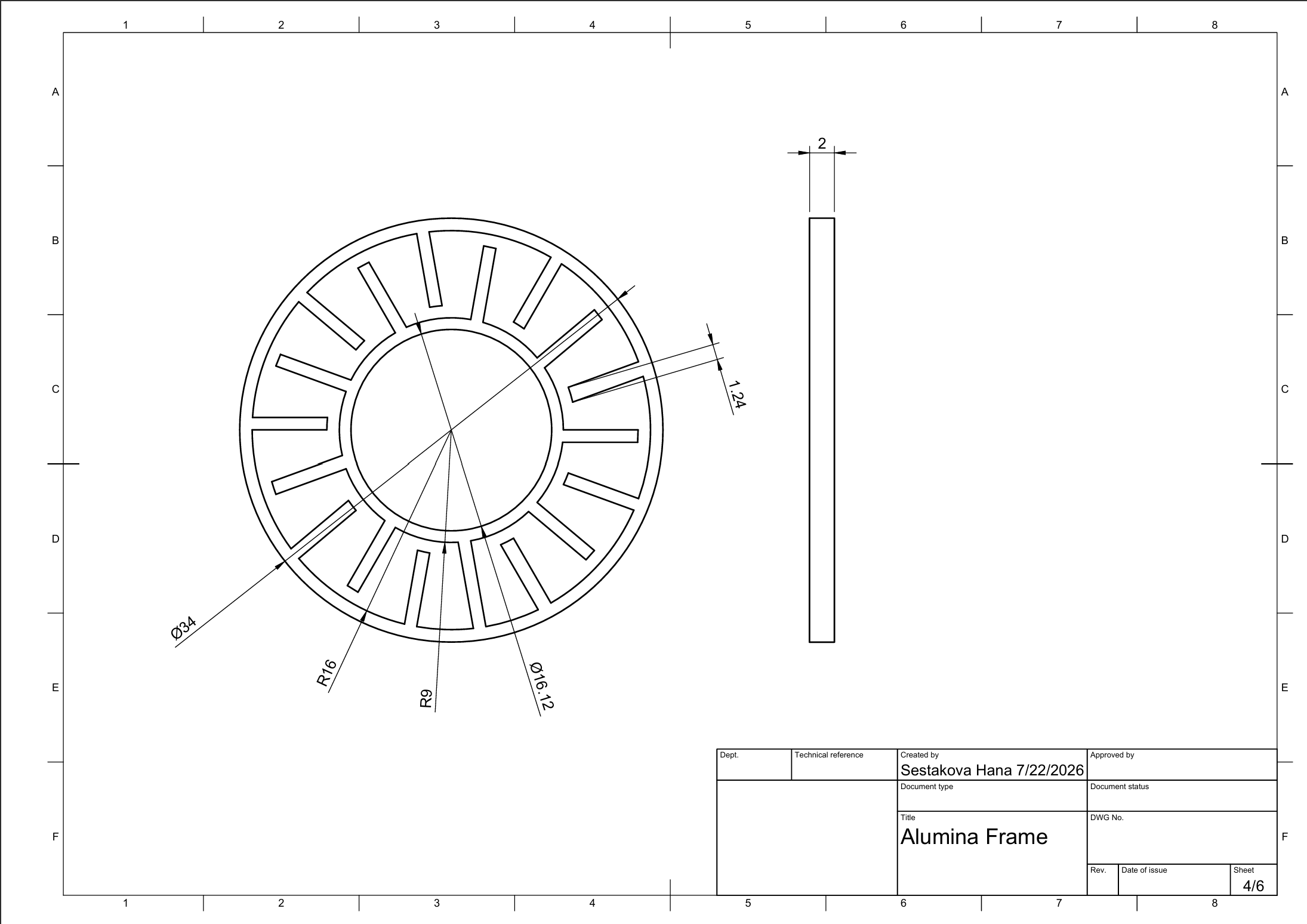
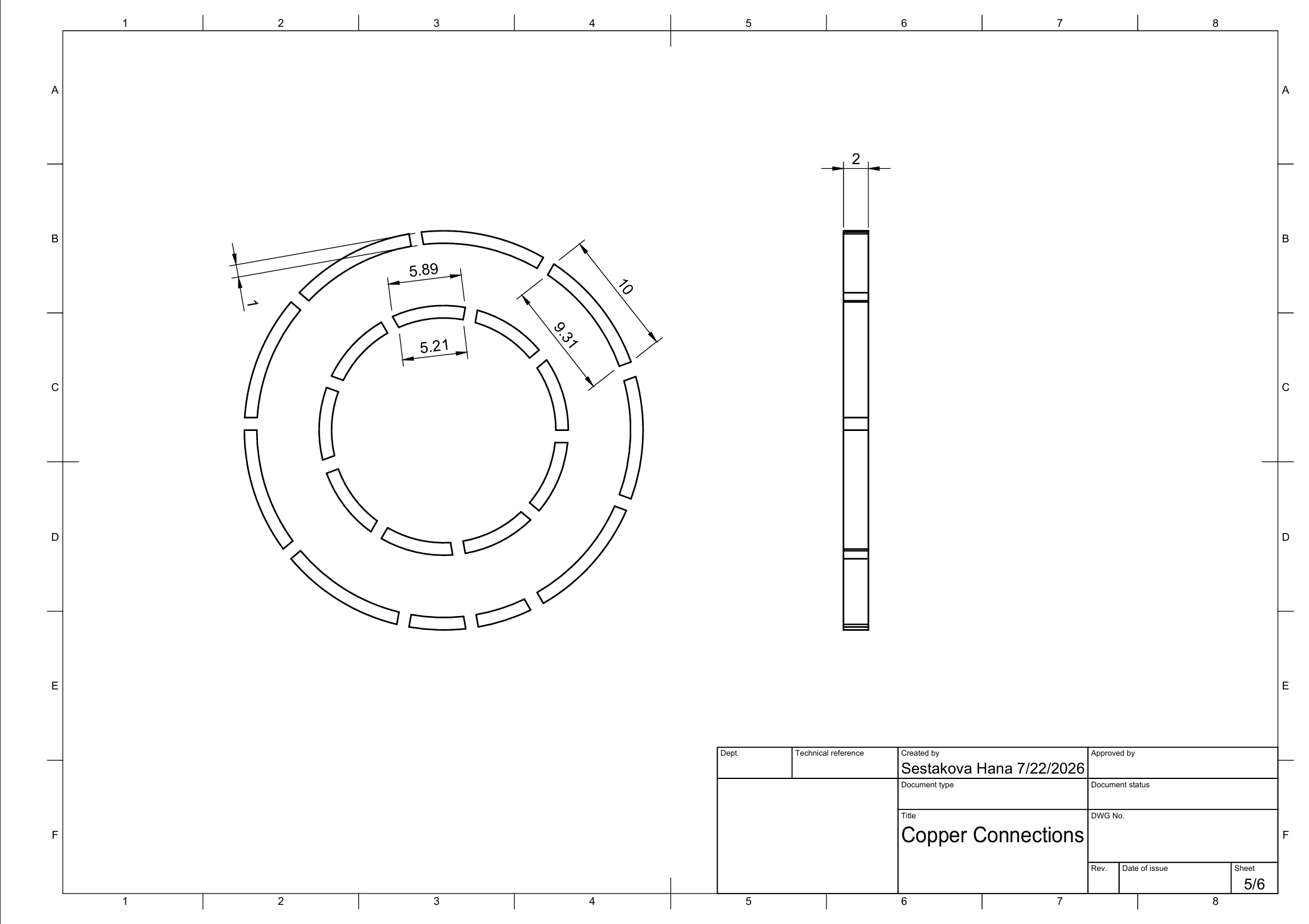
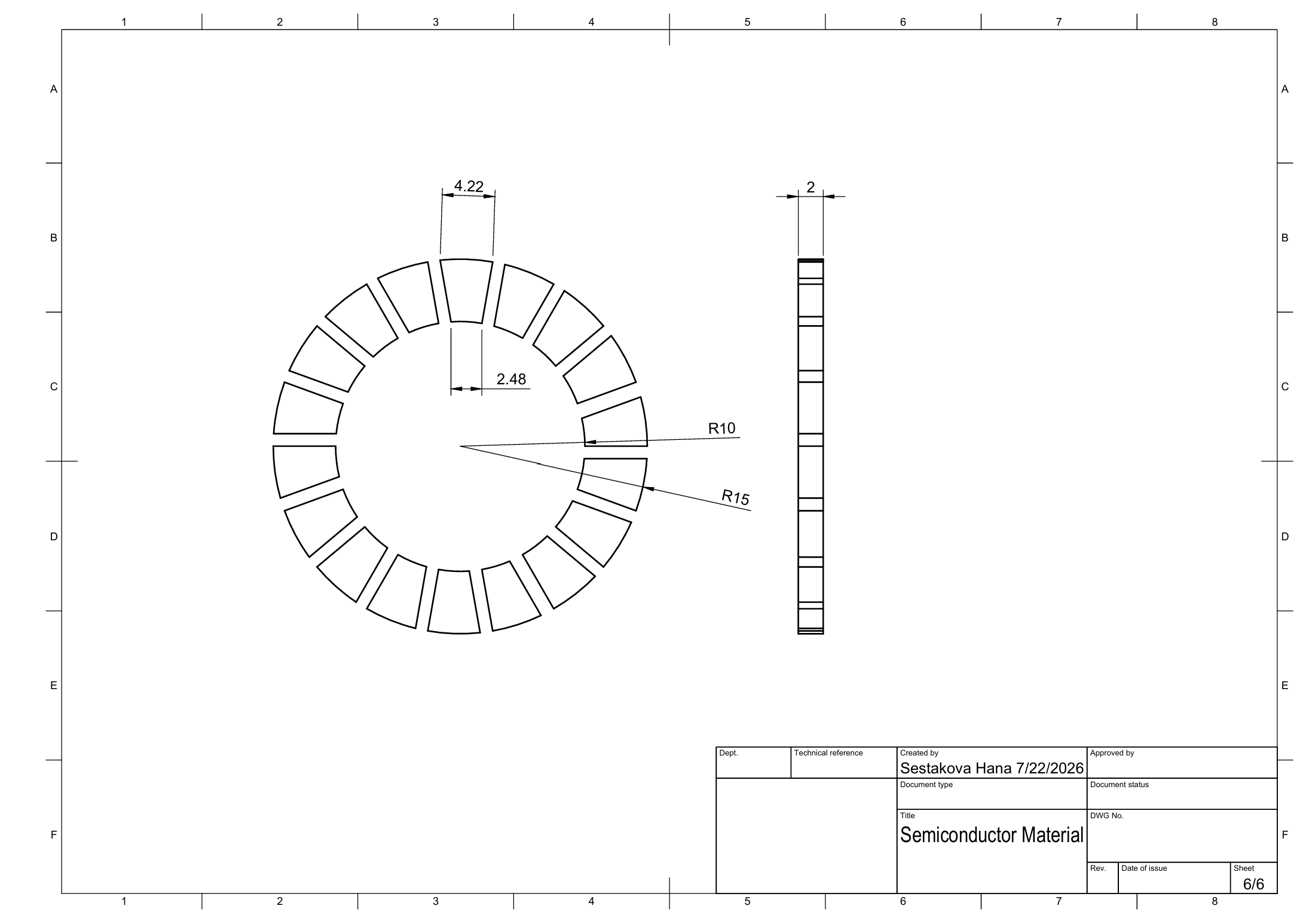
In Hanoi, Vietnam, I spent three months working with a professor and five other students on a research project about a thermoelectric module. The goal was to design, simulate, and test a thermoelectric module that heated the surface of a solar panel to prevent dew from forming.
I conducted thermal-electric simulations on Ansys to find the power consumption levels for the thermoelectric module.
Papers
Thermoelectric Heating System for Dew Prevention on Solar Panels in Northern Vietnam
Abstract:
This report presents a simulation-based investigation of a thermoelectric heating system designed to prevent dew formation on solar panels in Northern Vietnam. The system utilizes a Thermoelectric Cooler (TEC) operating in reverse as a Peltier heater to raise the surface temperature of tempered glass above the local dew point. Power consumption ranged from 0.176 W at 35°C to 0.515 W at 55°C. The study demonstrates that thermoelectric heating is a viable, solid-state solution for dew prevention in humid subtropical climates.
Thermoelectric Heating System for Dew Prevention on Solar Panels using Transparent Graphene Film to Spread Heat
Abstract :
This report presents a simulation-based investigation of a thermoelectric heating system designed to prevent dew formation on solar panels in Northern Vietnam using Ansys. The system utilizes a Thermoelectric Cooler (TEC) operating in reverse as a Peltier heater to raise the surface temperature of tempered glass above the local dew point. A thin layer of graphene with high thermal conductivity is used to spread the heat. This layer is non-shading, allowing all parts of the solar panel to continue getting solar energy.